Several varieties of extra virgin olive oil from many parts of the country, with different characteristics and properties, are widely available on the Greek market. However, the organic extra virgin olive oil produced with passion is a real treasure on our table.
Organic olive oil is produced in accordance with the regulations of the European Union. In particular, olives must be grown without chemical fertilizers, pesticides and soil herbicides. At the same time, the entire process, from harvesting to bottling, must comply with organic farming regulations. This means that organic and conventional olive oil are collected and processed at a different time and place so that they do not come into contact. As the use of chemical fertilizers and pesticides is prohibited, the most suitable variety for organic farming is Koroneiki, which is more resistant, it adapts more easily to the soil conditions of each place, and it gives us organic olive oil of excellent quality.
But what are the differences between organic extra virgin olive oil and “conventional” oil? In terms of taste, organic olive oil presents a more pure taste, it is intensely fruity, more bitter and has a more aromatic character. Depending on the variety, origin and oiling process, we found different characteristics. In addition, due to the non-use of chemicals, organic olive oil preserves the most valuable components, therefore shielding and stimulating the body. Organic olive oil is rich in monounsaturated fats, polyphenols and antioxidants and has been shown to help protect against various diseases, such as heart problems, diabetes and certain types of cancer.
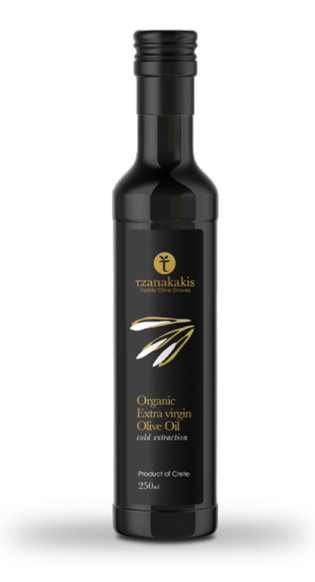
If you are looking for excellent quality and taste, the organic extra virgin olive oil of Tzanakaki Family is the ideal choice! It is produced with love and respect for the consumer and the environment and is definitely worth trying!